
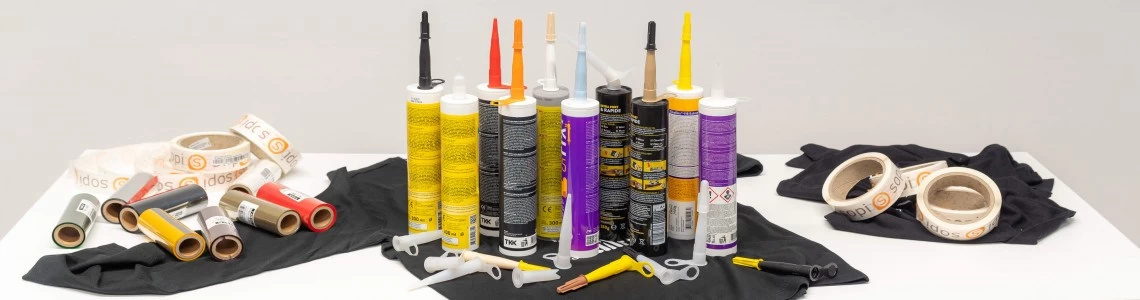
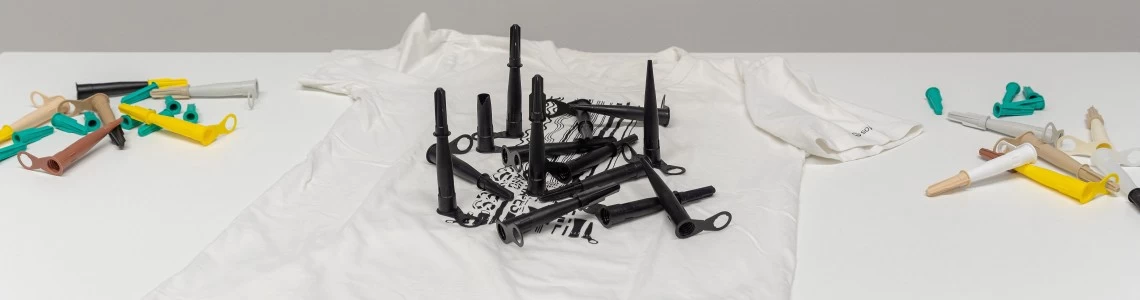
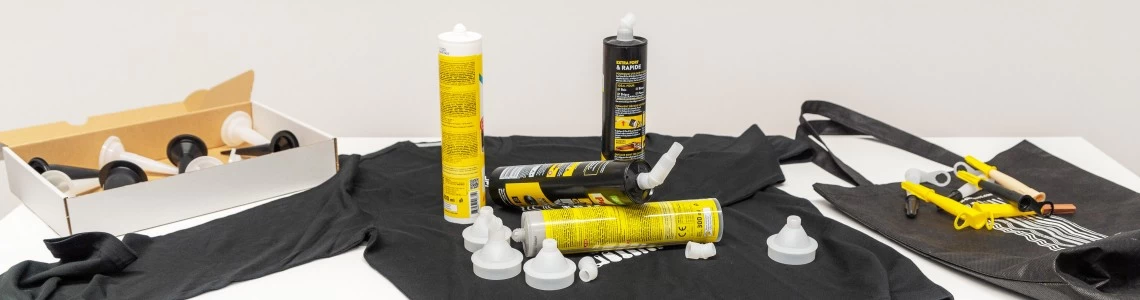
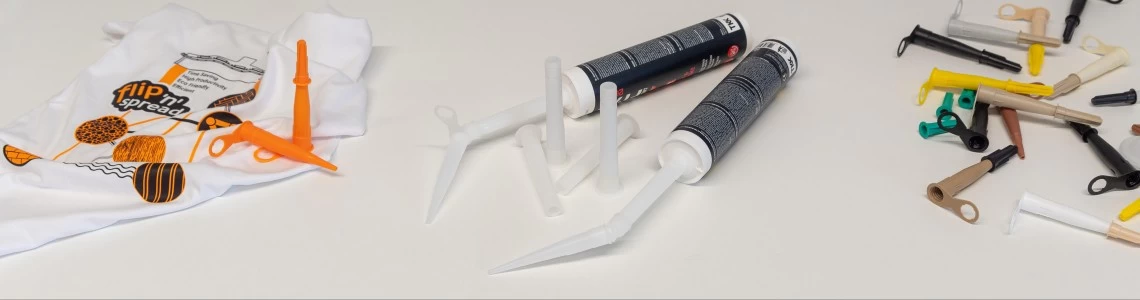
Sealant Gun Nozzle: Designed for Accuracy and Control
Sealant gun nozzle requires careful calibration to ensure optimal application without compromising bead control. By refining product design, carefully selecting materials, and optimizing flow control, we at Sopi support consistent dispensing performance across applications. This allows for even application over larger areas, uniform thickness, and enhanced stability. Maintaining consistent pressure and coordinated movement ensures repeatable and predictable results when the sealant nozzle matches the task requirements and material behavior.
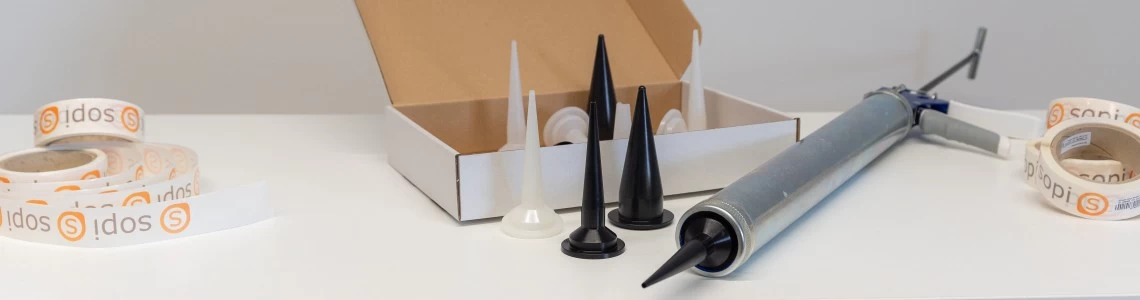
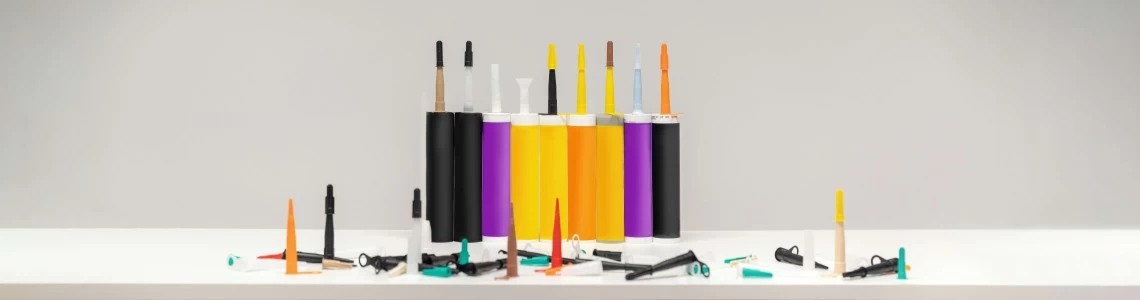
Cartridge nozzles achieve remarkable accuracy when designed correctly. Their length can influence how material is delivered, with varied lengths available to suit different application needs. Precision is enhanced through controlled flow and predictable bead formation. Choosing the right length for the specific material and application ensures consistent performance and reliable results across different tasks.
Improving Cartridge Nozzles Speed Without Compromising Control
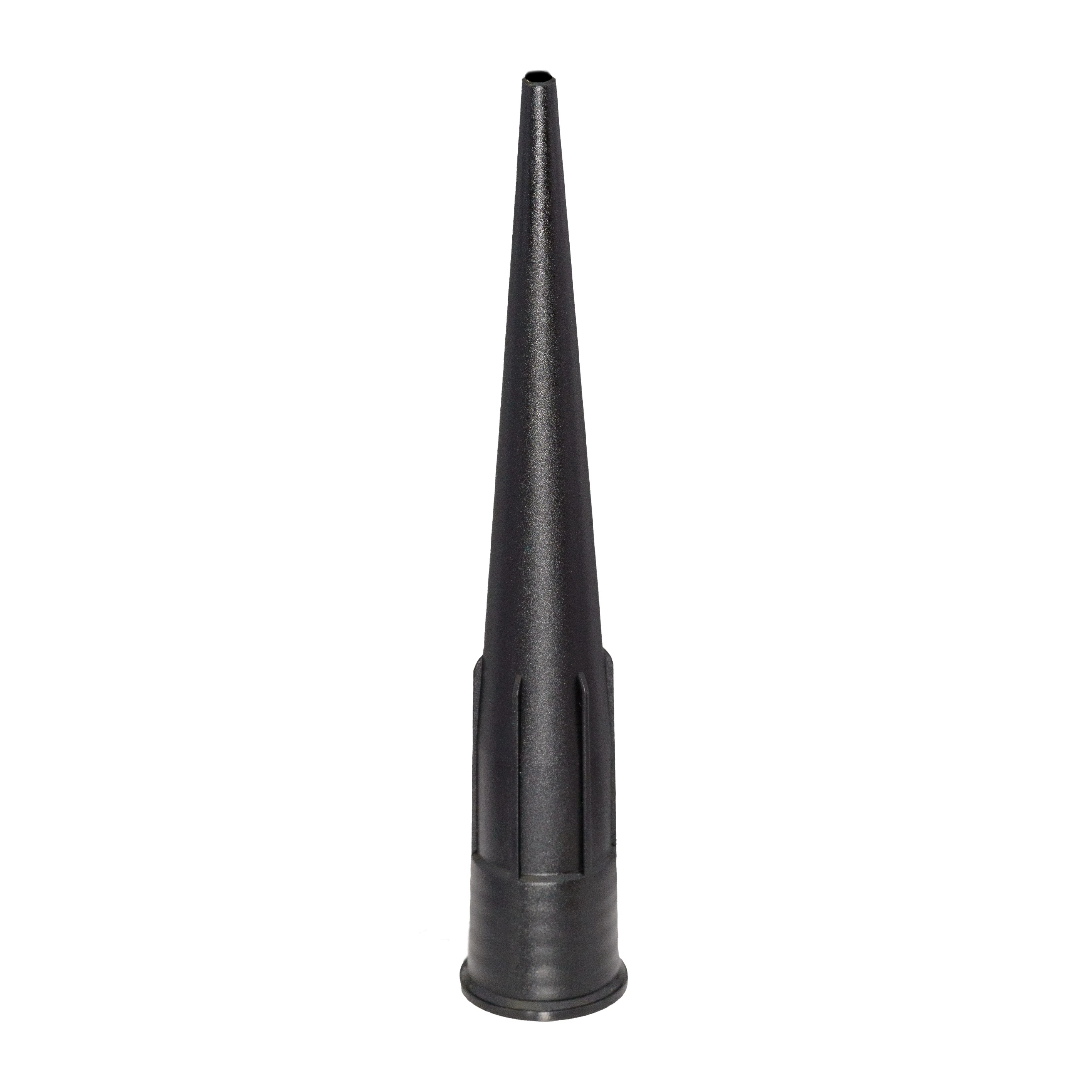
An optimized sealant gun nozzle is invaluable in industrial environments where speed and efficiency are critical. In high-demand production settings, even small improvements in application rate can translate into significant time savings and increased overall productivity. Achieving faster output without sacrificing quality requires careful coordination of all factors influencing the dispensing process, including pressure stability, tip positioning, and operator technique. Increasing application speed without compromising bead control requires a systematic approach that takes into account both material properties and operational workflow.
A well-designed tip combines mechanical motion, fluid dynamics, temperature management, and monitoring systems. Understanding how different nozzles perform with various materials and application speeds helps us tailor designs that support consistent results. As application demands change, the interaction between nozzle performance and material delivery must be balanced for quality results. If flow is impaired, it can result in thin or broken beads. To enhance the performance of cartridge nozzles, we optimize material viscosity, refine geometry, boost delivery system responsiveness, and coordinate motion control with material flow.
Sealant Nozzle Geometry and Its Effect on Adhesion
Cartridge nozzles control pressure, air content, application, and the final bead profile. A properly designed tip forms a stable application with minimal internal stress within the bead. Proper flow characteristics and geometry help the material interact effectively with surfaces.
The diameter determines flow rate and internal stress in the sealant gun nozzle. Low compression results in weak mechanical keying, but an overly large opening produces a loosely seated bead. Flow characteristics and nozzle design influence how material is distributed and placed along surfaces. Nozzle geometry influences how material exits, helping control cooling, stabilization, and preventing trapped air that could compromise the joint.
The Impact of Nozzle Length on Dispensing Accuracy
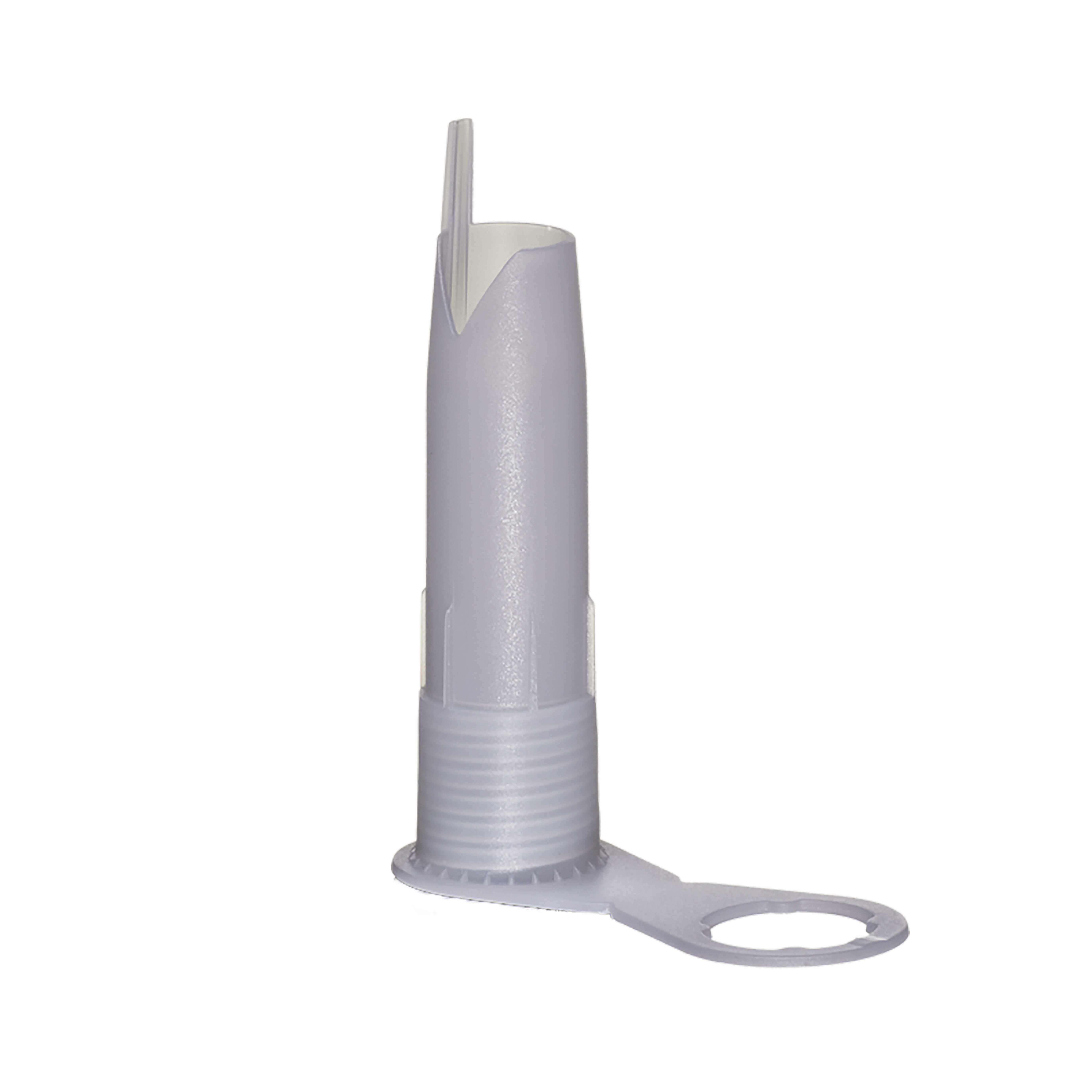
A sealant gun nozzle is essential for directing material precisely from the system to its target. Dispensing accuracy depends not only on pump calibration and fluid properties but also on nozzle length. The distance from entry to outlet affects flow conditioning, pressure drop, and bead detachment. Longer tips help create a more consistent path for material delivery, while shorter tips offer flexibility and convenience in tighter spaces. Considering these factors ensures the material reaches its intended location efficiently.
Longer nozzles develop a stable flow profile with predictable velocity, improving both volume accuracy and placement precision. Tip geometry also influences exit velocity, which controls bead formation and final appearance. Longer tips produce a focused, uniform stream, while shorter tips may generate less stable droplets that require careful handling. Understanding the interplay between length, geometry, and flow dynamics ensures optimal performance across various applications.
Sealant Nozzle Cost and Its Quality
A sealant nozzle is a high-performance tool that directly affects application results. Its effectiveness depends on the quality of the materials we use, the precision of our manufacturing processes, and adherence to consistent production standards. High-quality HDPE tips provide stiffness, dimensional stability, and optimal cutting behavior, helping ensure reliable performance across extended use and demanding conditions.
Our premium components are crafted with careful attention to detail, contributing to consistent bead quality and minimizing material waste during application. By focusing on material selection, precise production, and rigorous quality checks, we can deliver tips that support professional results across a wide range of applications.
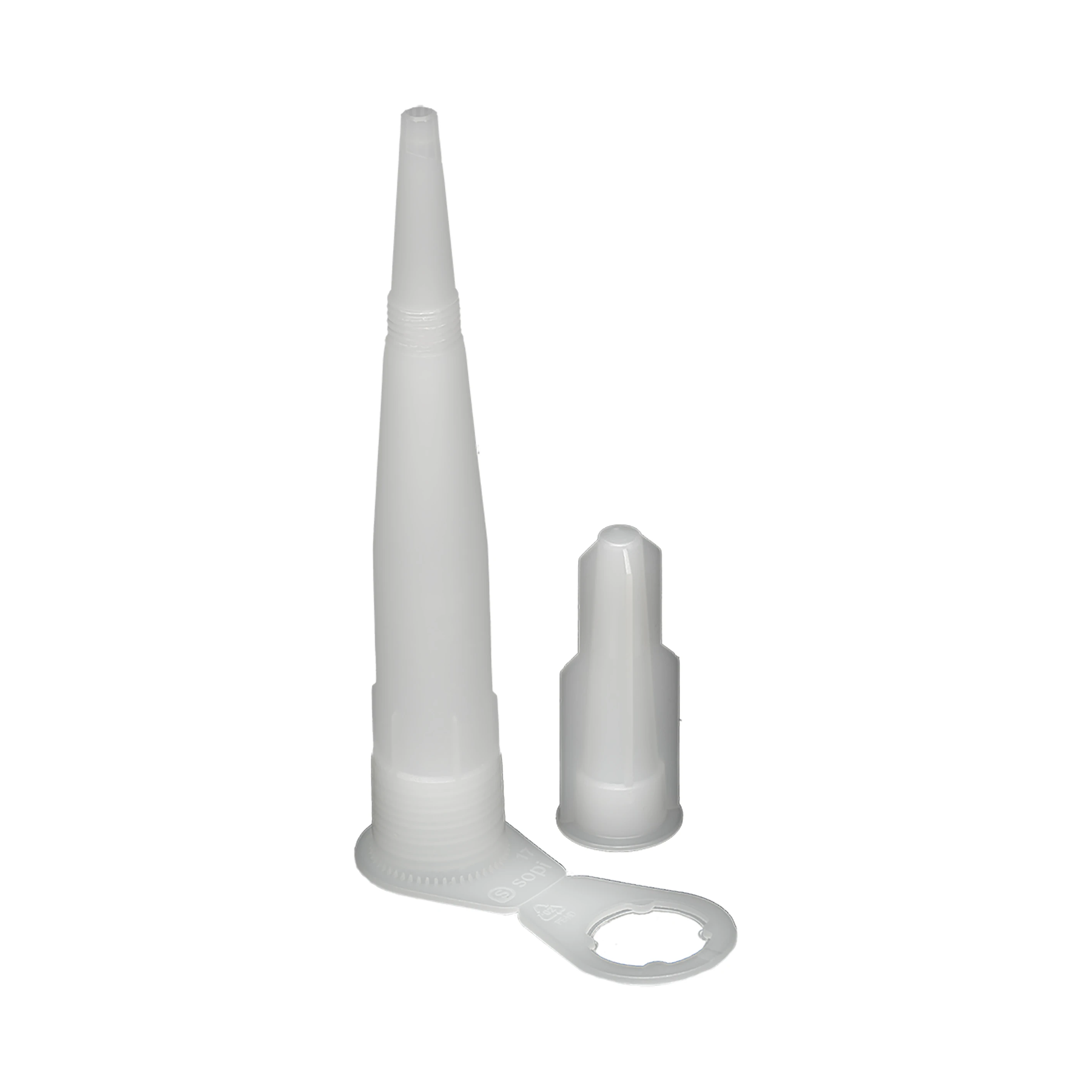
Reducing Material Waste Through Accurate Cartridge Nozzles Size
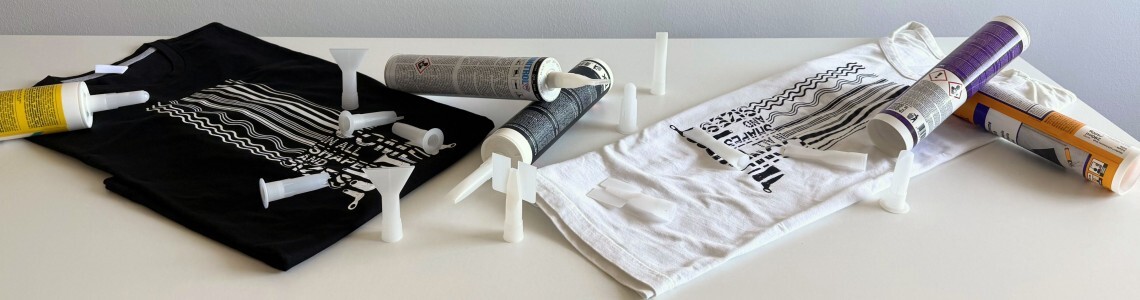
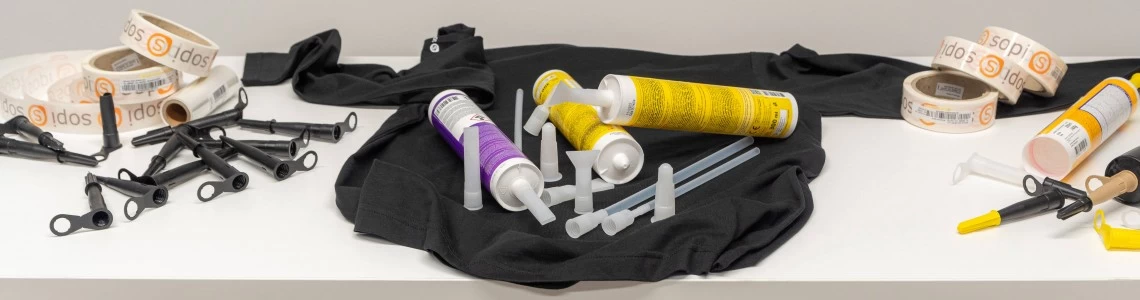
Selecting the correct sealant nozzle size dramatically reduces waste by controlling the volume delivered into joints. On large-scale projects, faster application can be counterproductive. Oversized tips release material too quickly, creating overflow and surface buildup. For controlled application, choosing a tip size slightly smaller than the joint width often improves stability and precision. Matching the tip opening to joint geometry ensures minimal waste. Careful planning and proper sizing also help maintain consistent joint quality across the entire project.
In professional settings, precision and efficiency start with the right sealant gun nozzle. Choosing the correct size and shape enhances control, reduces material loss, and minimizes cleanup time. Using high-performance nozzles allows us to deliver superior results while maintaining consistent productivity. This approach ensures that every application meets both quality and efficiency standards, even on complex or large-scale jobs.