
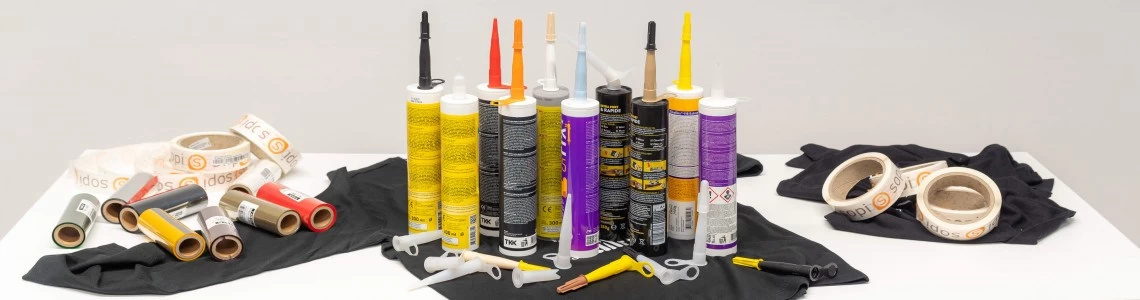
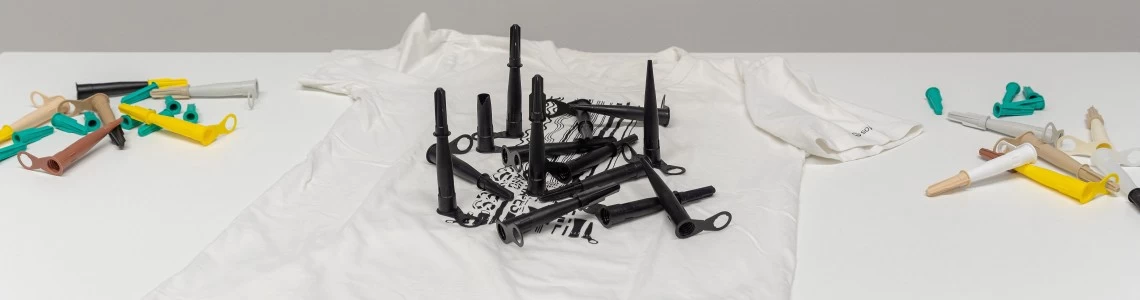
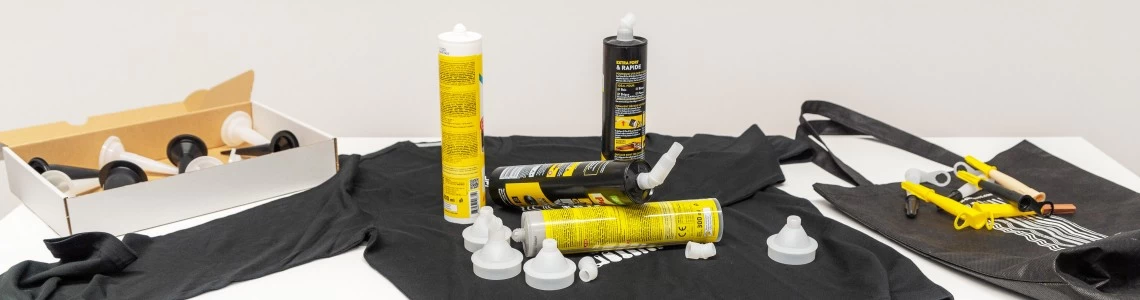
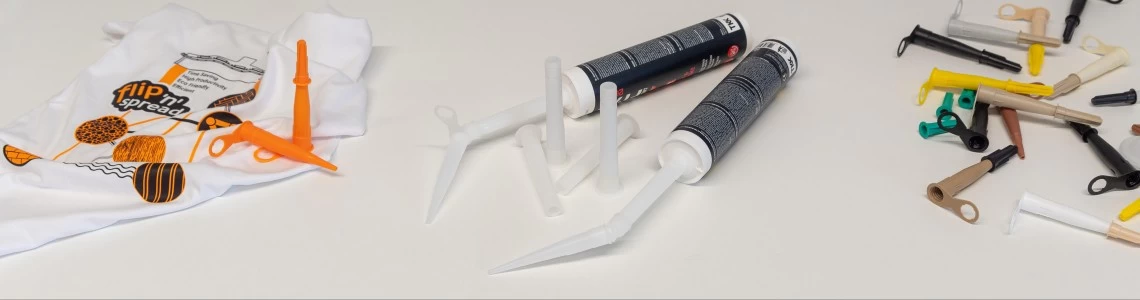
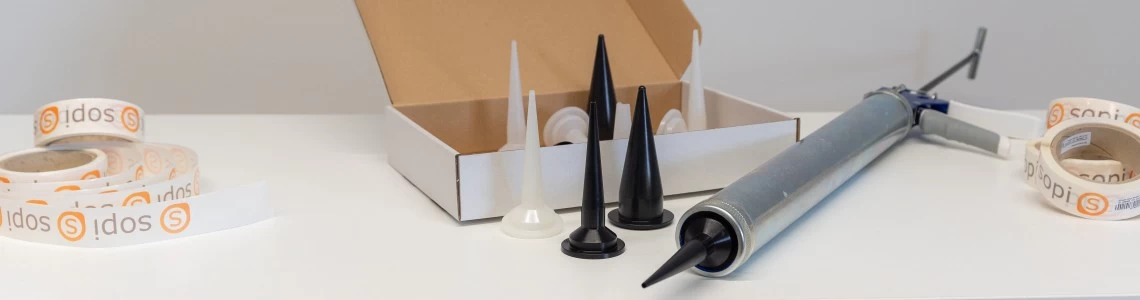


Sausage Caulk Gun Tips for Advanced Dispensing Control
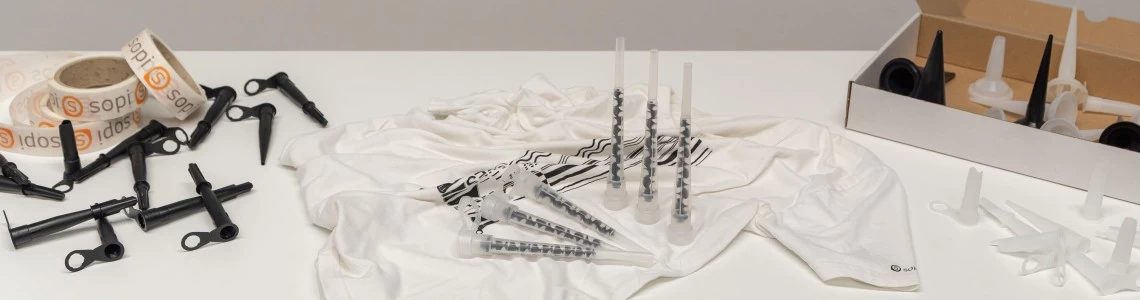
Sausage caulk gun tips are a paramount choice for professionals who demand precision and reliability. For many users, adhesion quality begins long before the fluid reaches the substrate. The caulk nozzle influences how fluid is delivered, how effectively it interacts with the surface, and how consistently the application process can be repeated. Choosing the correct geometry is critical for achieving strong, reliable, and high-quality seals.
Traditional dispensing nozzles often underperform in harsh environments because they are designed to satisfy broad application requirements rather than specialized industrial demands. When dispensing high-viscosity fluids or operating for extended periods under challenging conditions, their limitations become increasingly apparent. Sausage tips are designed to meet the demands of professionals who require dependable flow, precise control, and sustained performance.
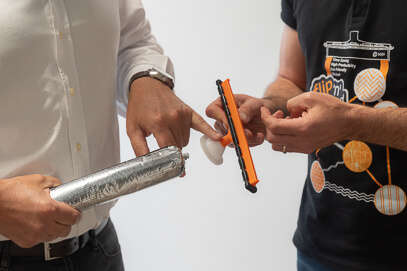
The Impact of Caulk Nozzle Shape on Adhesion Quality in Professional Application
Sausage caulk gun tips feature a unique nozzle geometry that significantly influences professional application performance. In industrial assembly and manufacturing environments, adhesion quality depends on more than the fluid itself. Material compatibility, curing conditions, surface preparation, and application techniques all contribute to the final result.
The dispensing tool, as the final point of contact between the dispensing system and the substrate, determines how adhesive is controlled, applied, and distributed. Fluid application is particularly important because even high-performance materials can underperform when applied inconsistently.
The tool controls fluid flow as material moves through it. During this process, the adhesive experiences changes in velocity, pressure fluctuations, and internal friction, all of which influence how it exits the equipment. Poorly designed dispensing nozzles can create turbulence and disrupt application consistency, while properly engineered solutions ensure controlled deposition and help prevent air entrapment.
Sausage Dispensing Nozzles Do Not Underdeliver in Demanding Environments
A caulk nozzle may appear simple on the surface, but it contains a carefully engineered internal geometry. In demanding industrial environments, dispensing tools must meet significantly higher requirements for complexity, scale, and performance. Sausage tips are often the preferred choice for challenging applications because they provide superior control under difficult operating conditions.
Harsh environments expose weaknesses in dispensing equipment by placing continuous stress on components that would not normally occur during occasional use. Sausage caulk gun tips provide consistent performance, allowing professionals to achieve predictable coverage and reliable results.
They are manufactured from high-density polyethylene (HDPE), a versatile material that maintains its shape and performance characteristics during operation. Pressure management, waste reduction, durability under continuous use, and predictable bead formation all play a significant role in overall project efficiency. These characteristics make them exceptionally well-suited for professional environments.
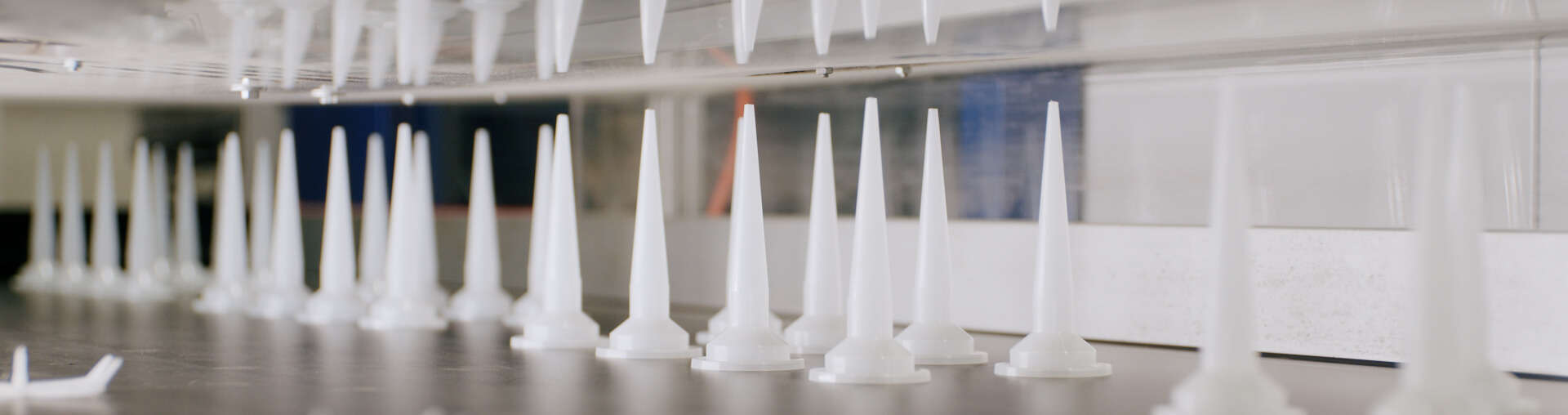
Nozzle Design Improves Sealant Control
Sausage caulk gun tips directly influence shear stress within the fluid being dispensed. The dispensing attachment must match the rheological properties of the material to ensure optimal performance. An inadequately engineered tip can create uneven beads, inconsistent curing, excessive waste, and trapped air pockets. Properly designed equipment gradually guides material through a progressively narrowing channel, distributing pressure evenly and promoting smooth, controlled movement. This type of design also improves droplet consistency and provides operators with greater control throughout the dispensing process.
A well-designed tool reduces fluid surging, a phenomenon that occurs when material exits the tip in uneven bursts rather than as a smooth, continuous flow. Surging results in inconsistent bead dimensions and makes accurate application more difficult. The internal geometry of a properly engineered tool minimizes this issue and improves filling accuracy by directing material precisely where it is needed. As a result, performance remains consistent even when operating conditions change.
The Future of Materials in Caulk Nozzle Manufacturing
Modern dispensing nozzles must handle highly viscous materials, fluctuating temperatures, and aggressive chemical compounds while maintaining dimensional accuracy and long-term reliability. A combination of high-performance metals, ceramics, engineered composites, advanced polymers, and sustainable alternatives will continue to shape the future of nozzle manufacturing. Advanced nylon materials offer exceptional dimensional stability and improved thermal performance. Stainless steel alloys provide long-term durability, while titanium and other lightweight metal solutions are ideal for industries where performance requirements justify higher material costs.
High-density polyethylene (HDPE) addresses many of the challenges faced by modern manufacturers. It offers excellent chemical resistance, strong mechanical properties, low weight, and outstanding cost efficiency. HDPE can be processed effectively through manufacturing methods such as injection molding, enabling producers to achieve consistent quality while maintaining competitive production costs. Sausage caulk gun tips manufactured from HDPE also support sustainability goals. The material is recyclable, making it particularly valuable as circular economy principles become increasingly important and companies adopt more environmentally responsible practices.
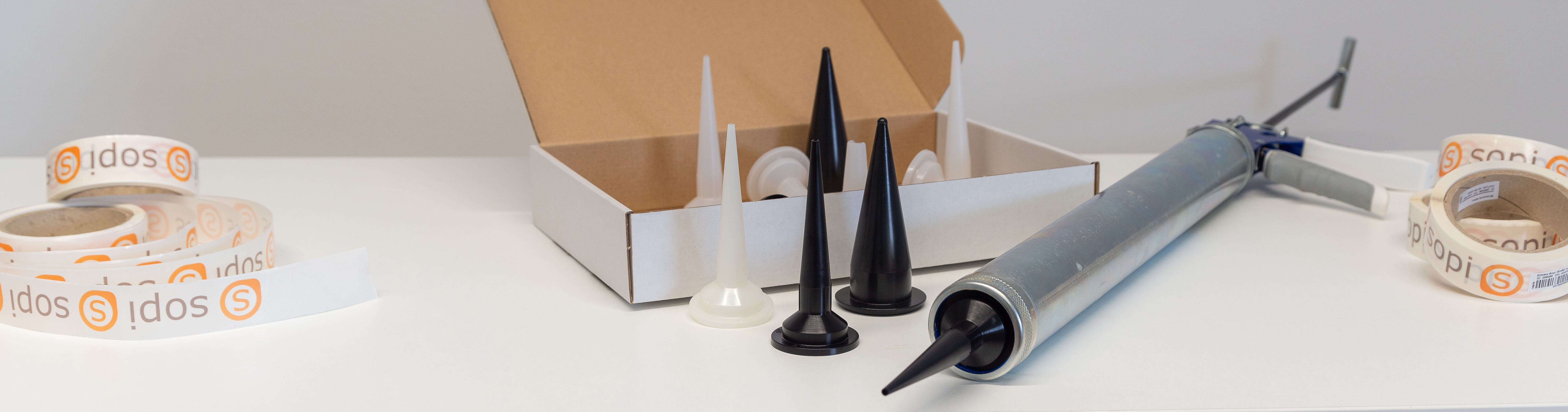
Dispensing nozzles with Adjustable Flow Provide Greater Flexibility
A caulk nozzle must deliver a controlled amount of material with maximum repeatability and minimal waste. Adjustable flow elements provide professionals with greater flexibility, improved efficiency, and more productive operations. There are several ways to regulate adjustable flow. One method involves orifice design. A larger opening allows more material to pass through, while a smaller opening restricts flow and increases control. Pressure regulation is another direct and reliable method, as it influences how fluid moves through the tip. The geometry of the tip itself also plays a major role in determining flow behavior.
The nozzle is designed to manage product movement efficiently, even when operating conditions include temperature fluctuations. Temperature management affects the viscosity of the fluid, which in turn influences flow characteristics. Although temperature is not typically the primary flow-control mechanism, it can be highly effective when combined with pressure regulation. Sausage caulk gun tips improve workflow efficiency, minimize rework, and ensure uniform bead distribution. Investing in high-quality sealant tips supports long-term performance, consistent application quality, and reliable project outcomes.