
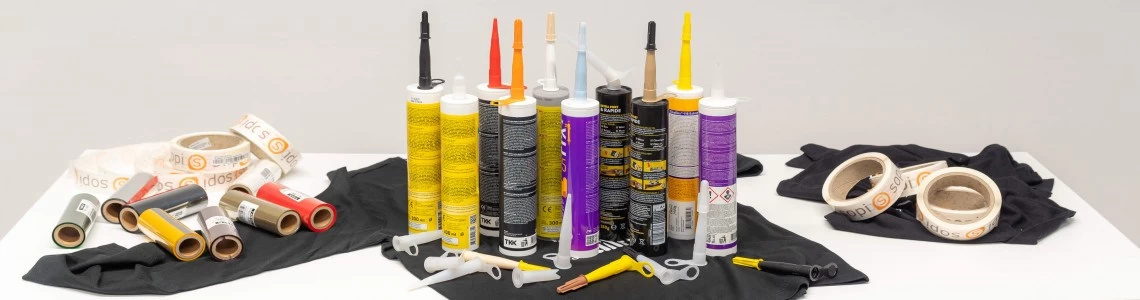
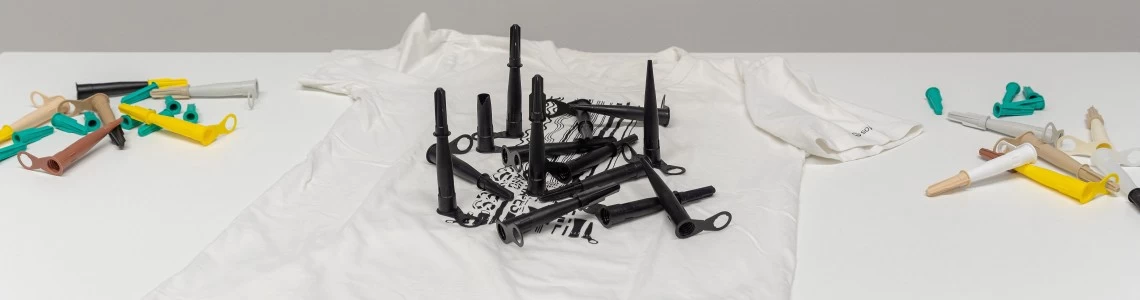
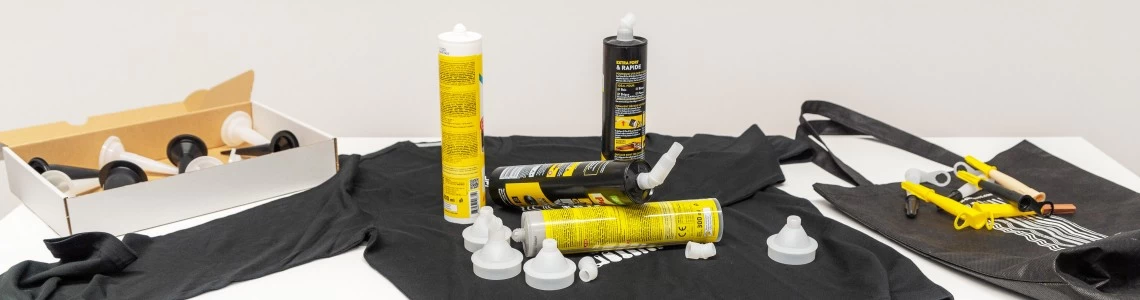
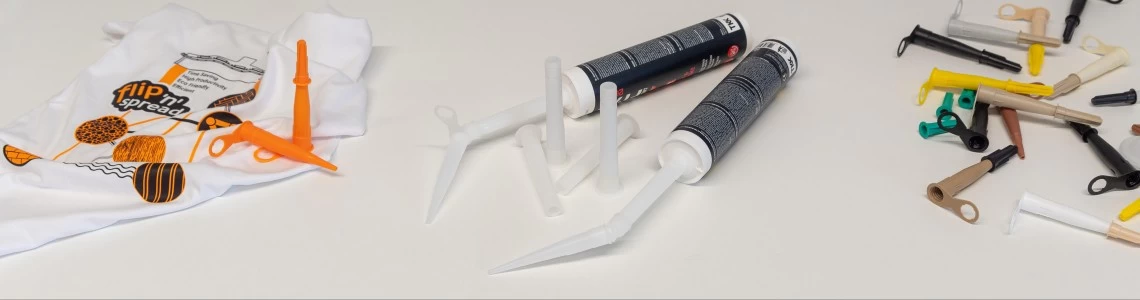


Caulking Nozzle Tips for High-Performance Sealing
Caulking nozzle tips are essential for ensuring both compatibility and consistent quality during application. Properly engineered sausage gun tips play a critical role in delivering a smooth, precise finish, enhancing the overall appearance of the work. Different nozzles are designed to meet specific needs, depending on factors such as access, accuracy, and material flow. At Sopi, we focus on providing cost-efficient solutions while also prioritizing waste reduction and sustainability in our manufacturing processes.

Hidden Role of a Caulk Gun Nozzle in Seal Longevity and Failure Prevention
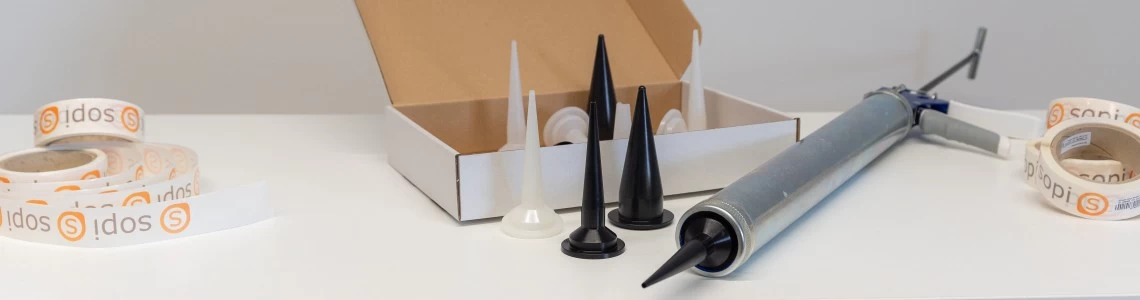
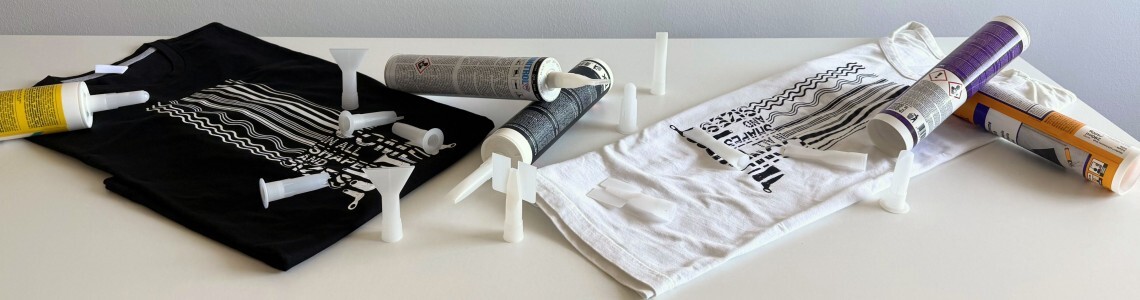
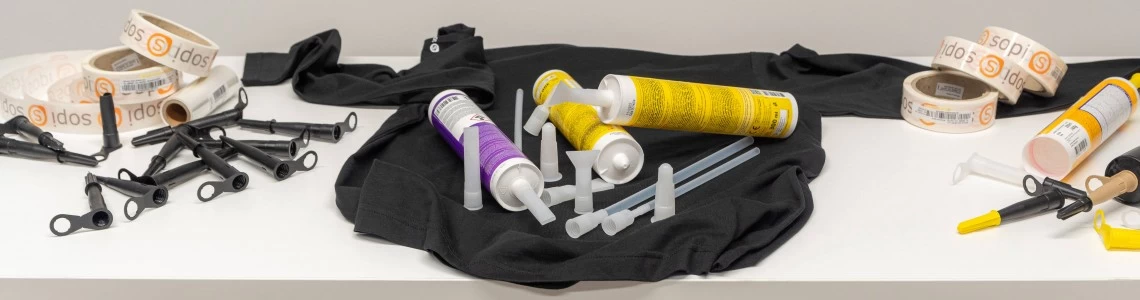
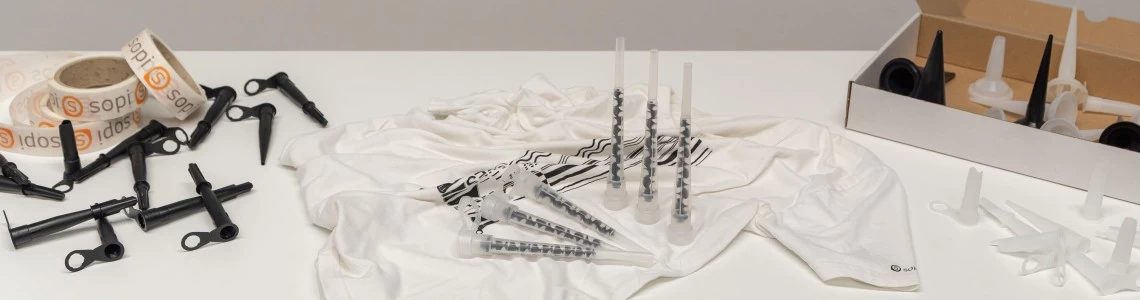
Caulking nozzle tips determine how adhesives, solvents, sealants, and other special compounds flow from the caulking gun, cartridge, or foil. They regulate the flow rate, direct material placement, and influence the shape of the deposited bead. There are various models to choose from, depending on the task. More refined tasks require smaller tips, while larger jobs call for broader ones that cover more surface area and accelerate the workflow. For greater precision and durability, custom-made options are available.
The sausage gun tips and other nozzles we manufacture at Sopi are crafted to the highest quality standards. Our modern, cost-effective production facility enables us to offer comprehensive, certified solutions in a sustainable manner. We strive to minimize environmental impact in all our operations, which is why we hold the ISO 14001:2015 certification for our environmental management system.
Advanced Sausage Gun Tips: Create the Perfect Bead
A caulk gun nozzle stabilizes material flow, shapes it to match joint dimensions, and creates a uniform, adherent, and visually clean seal. Achieving the perfect droplet depends on controlling the flow rate, pressure distribution, bead geometry, and material behavior through careful design. As the sealant is pushed through the nozzle, it experiences shear forces that alter its viscosity. The internal geometry of the nozzle dictates how the material accelerates towards the exit. A gradual taper ensures smooth acceleration, reduces internal resistance, and prevents pressure spikes.
Another factor influencing bead creation is friction and flow consistency. Smooth surfaces allow liquid to flow freely, while rough surfaces create micro-turbulence, disrupting the flow and leading to irregular droplet formation. Caulking nozzle tips ensure the joint is filled without excess material. A mismatch between the nozzle output and joint size can result in overfilling or underfilling, which compromises adhesion and durability. A properly designed nozzle, delivering material at the correct angle and pressure, ensures proper contact with the substrate, improving adhesion, minimizing air entrapment, and enhancing product durability.
Caulk Gun Nozzle Design Impacts Sealant Performance
Caulking nozzle tips feature unique designs that significantly affect sealant performance. When the design is optimized, sealants and adhesives achieve their intended strength, durability, reliability, and flexibility. A well-crafted product maintains a steady flow under varying pressure. The internal shape and surface finish compensate for output variations caused by differences in trigger force. Smooth internal walls reduce resistance, promoting uniform liquid flow and resulting in a consistent bead.
Internal geometry, flow behavior, taper design, surface finish, diameter, shape, and outlet all play critical roles in performance. Sausage gun tips and other nozzles in our product line are made from HDPE. The advanced HDPE material composition is transforming how nozzles operate in demanding, high-stress environments. We've tailored them for optimal performance, with polymer engineering that increases strength, temperature stability, flexibility, reduced permeability, and improved flow efficiency. Selecting the right nozzle and using it correctly ensures that sealants achieve their full potential in professional applications.
Advanced Flow Dynamics in Sausage Gun Tips Engineering
Caulking nozzle tips are pushed through the container by hand or pneumatic pressure. The performance of the bead depends on how the solution shapes and stabilizes the flow. Adhesives, sealants, solvents, and other similar liquids are often shear-thinning solutions, meaning their viscosity decreases as the shear rate increases. When pressure is applied, the package begins to deform and flow. The transition from a static state to a moving stream introduces complex internal stresses that the nozzle must manage without creating turbulence, voids, or uneven flow fronts.
A well-designed caulk gun nozzle successfully manages these stresses and ensures a smooth pressure drop. The nozzle geometry controls entrapped air, preventing bubbles from forming and compromising the structural integrity of the seal. When choosing the right tool for the task, it’s essential to remember that the nozzle is not a passive component; it actively regulates flow, managing the intricate behavior of sealants under pressure.
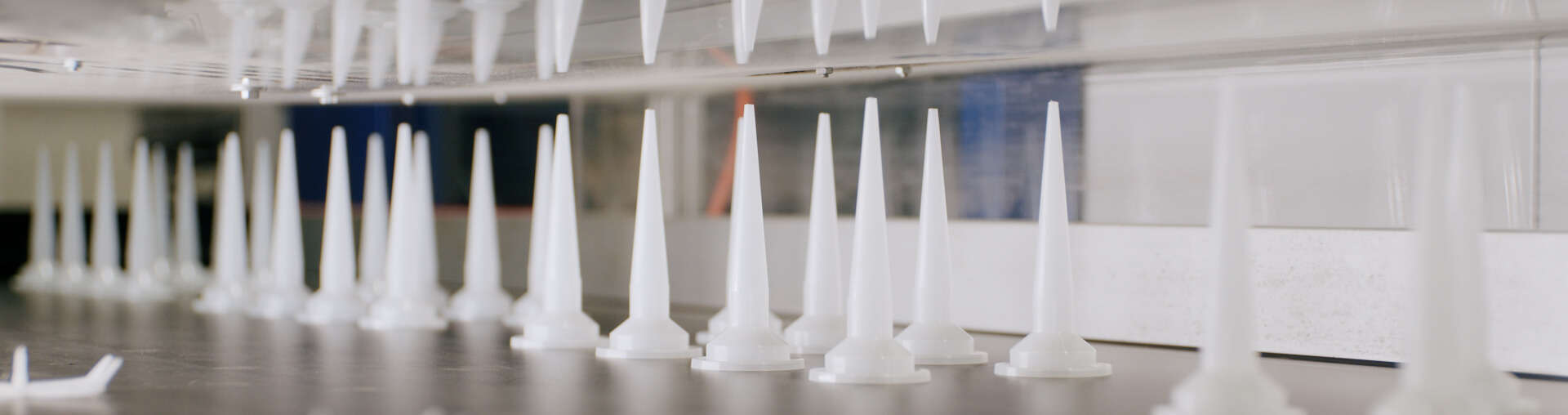
Improved Caulking Tip Design Reduces Operator Fatigue
Caulking nozzle tips help professionals reduce fatigue. When the trigger is squeezed, energy is transferred through the plunger into the sealant. If the nozzle is poorly designed, it increases resistance at critical points, forcing the professional to apply more pressure. Continuous muscle tension reduces endurance quickly due to static load. An optimized nozzle moves more smoothly along seams, requiring less force to maintain contact and alignment. This reduces strain in the wrist and shoulder, preventing operator fatigue.
A well-selected sealant nozzle ensures smooth application, consistent flow, and a polished final appearance. Matching the right tool to your project not only saves time but also helps avoid common issues such as uneven lines or excess material. Paying attention to this small detail can significantly elevate the quality of your work.