
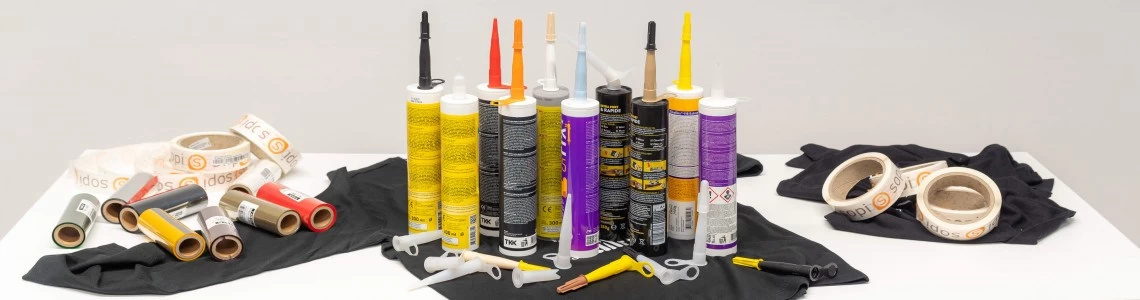
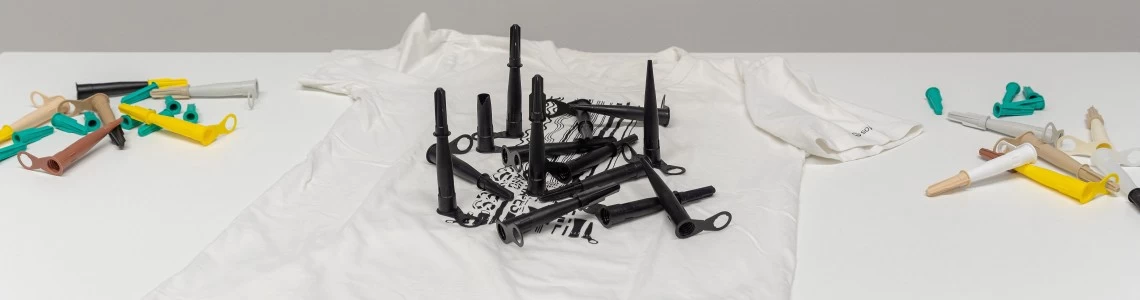
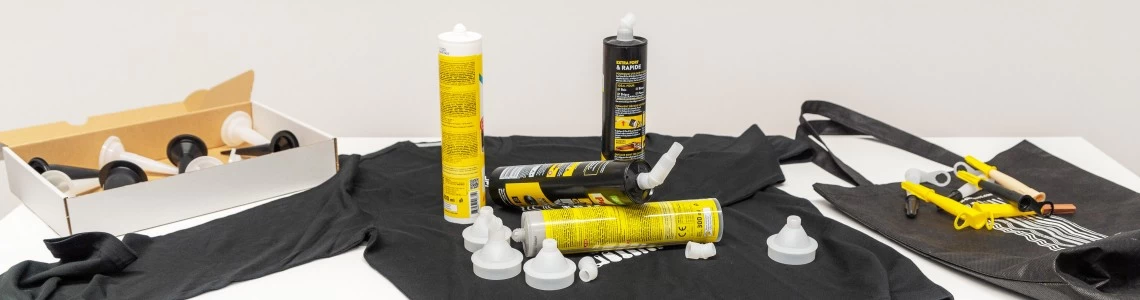
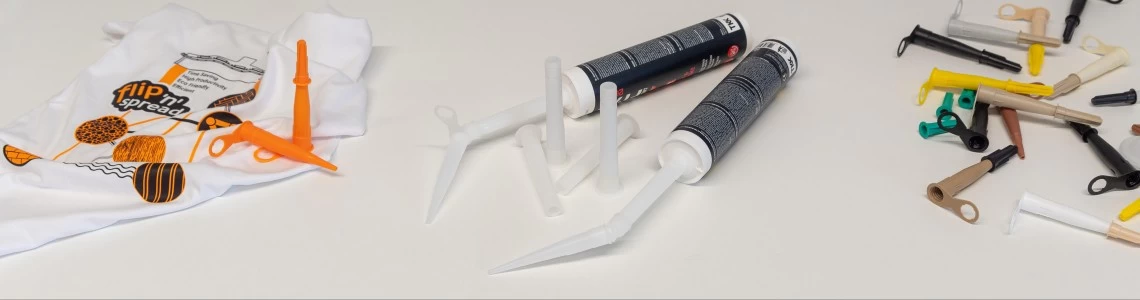



Caulk Tube Cap Extends the Life of Your Caulk
Caulk tube cap effectiveness depends on the careful integration of materials science, precision manufacturing, mechanical design, and practical usability. Even minor dimensional variations can compromise bonding performance, shorten shelf life, or create dispensing issues. Choosing the correct cap for caulk tubes requires careful consideration. Our products are made from HDPE, which ensures excellent mechanical performance and superior sealing reliability.
The proper use of our caulk tube covers helps prevent cross-contamination, enhance user safety, reduce long-term liability, and support facility compliance with industry regulations.

Choosing the Best Cap for Caulk Tubes Material: Why HDPE Is the Best Choice
A caulk tube cap protects adhesives and other specialized compounds from leakage, contamination, and premature curing during storage and transport. Sealants and adhesives often contain chemically active ingredients that may interact with packaging materials. If the material reacts with the product, several issues may occur, including the component softening or losing its sealing ability. As manufacturers, it is our responsibility to select a material that remains stable when exposed to these solutions while maintaining sealing performance and mechanical strength throughout the component’s service life.
The caulk tube covers we engineer at Sopi are made from high-density polyethylene (HDPE). This thermoplastic polymer has a unique molecular structure and is known for its excellent mechanical properties. HDPE provides high chemical resistance, outstanding dimensional stability, and consistent manufacturing performance.
How Thermal Expansion Affects Caulk Tube Covers Performance
A cap for caulk tubes is used across multiple industries and frequently move through different environmental conditions. Temperature changes are common in industrial settings, exposing caps to significant variations. Thermal expansion occurs when a material changes size as its temperature changes. This can influence product performance by affecting dimensions, mechanical strength, or sealing pressure. Properly designed components account for these changes through suitable material selection, specialized sealing features, and precise tolerances.
A component must manage thermal changes effectively; otherwise, it may experience deformation or reduced performance. Temperature stability ensures that a caulk tube cap protects the material inside the dispensing system regardless of the surrounding environment. The dimensional changes caused by temperature fluctuations must be considered during the design process. Proper engineering ensures that thermal movement remains within acceptable limits while maintaining reliable performance.
Nozzle Caps by Sopi That Keep Your Adhesive Fresh
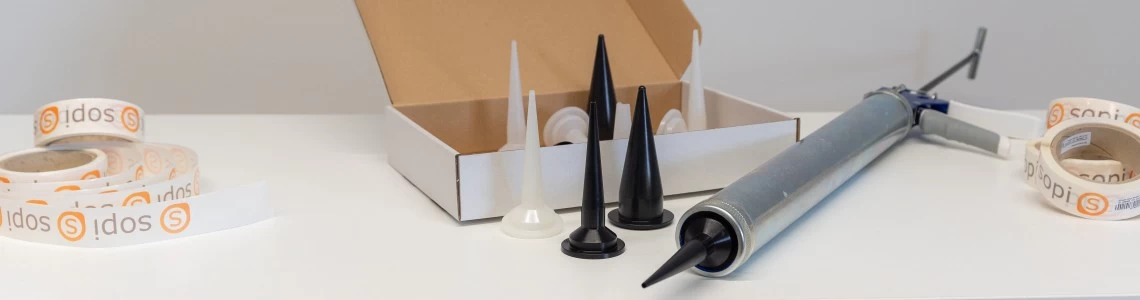
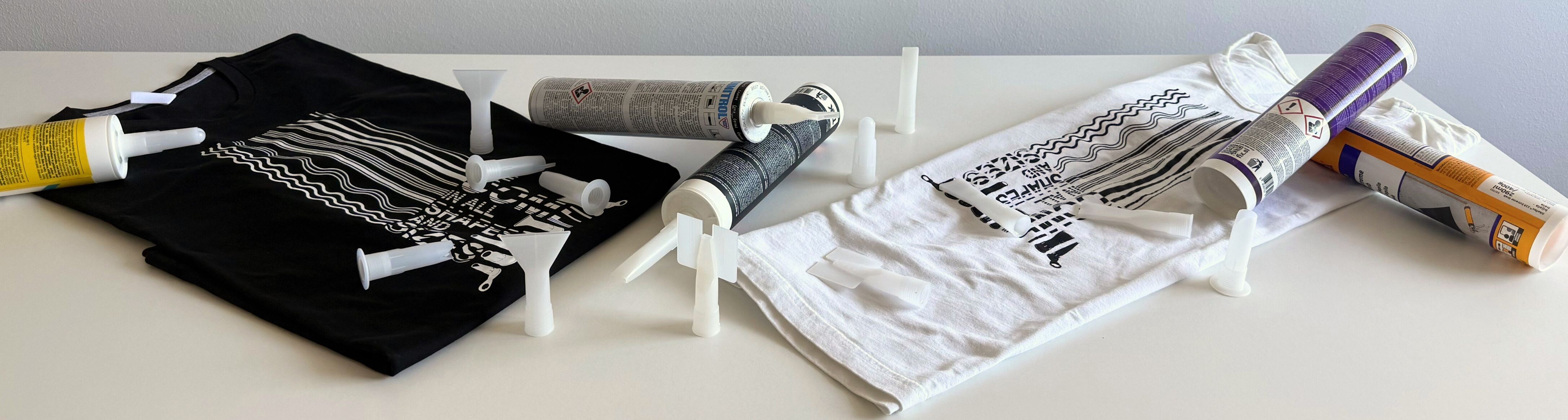
A caulk tube cap by Sopi d.o.o. is available in two different models: the classic version and the M15. Both products weigh 0.9 g and are manufactured from high-quality HDPE. They are packaged in cardboard boxes containing 12,200 pieces each, with 341,600 pieces per pallet. There are 28 boxes on each pallet with dimensions of 57.3 cm x 37.3 cm x 25.8 cm, arranged seven per row. The pallet height is 181 cm (±4%), and the approximate weight is 329 kg.
The products are supplied in standard packaging, but alternative packaging options are also available. Bar and text codes can be added according to customer instructions, which must be provided before order confirmation. All products have a general tolerance according to DIN 16901-150 and comply with DIN 16742 or another agreed standard.
Common Mistakes When Using a Cap for Caulk Tubes
Caulk tube covers are essential components in industrial environments, even though they are often overlooked. Once a dispensing system is opened, it becomes vulnerable to curing throughout the nozzle assembly. Properly fitted covers limit exposure to air, moisture, dust, and other contaminants while protecting the nozzle from accidental damage. The most common mistake professionals make is failing to seal the dispensing system immediately after use. Although a cover cannot completely prevent curing indefinitely, it can significantly slow the deterioration process.
Using the wrong size or type is another common mistake. Not every cap is suitable for every dispensing solution. An oversized caulk tube cap may fail to create an effective seal, while an undersized cap may deform, split, or fail to protect the sealant. When using a nozzle, ensure that it is clean before applying the cover, as excess material around the exterior can prevent proper fitting. Proper storage is also essential because even the best cover cannot compensate for poor storage practices. Damaged or worn caps should not be reused.
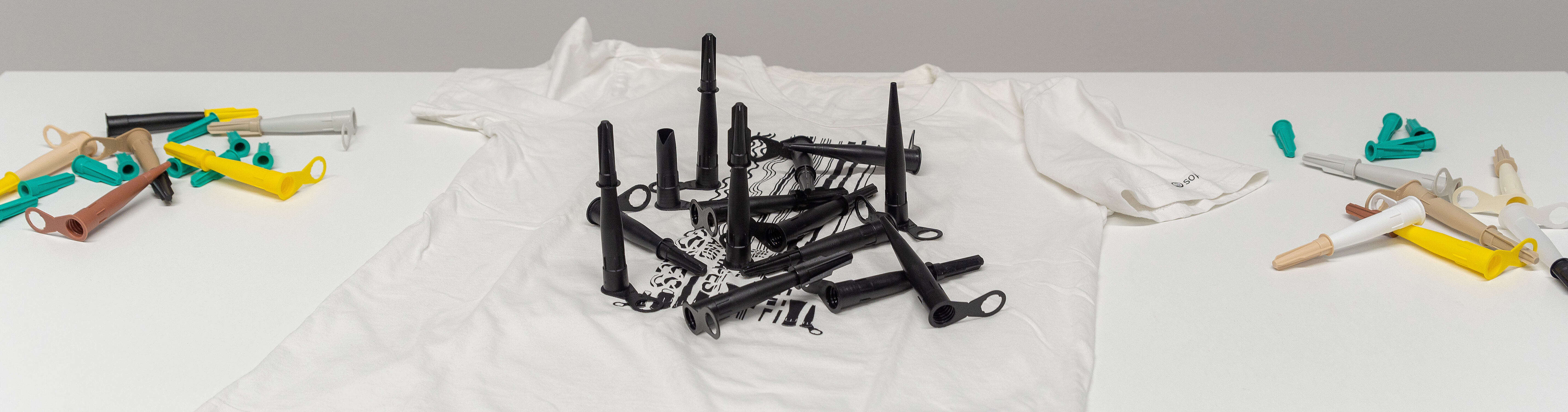
Caulk Tube Covers Can Save Time in an Industrial Environment
A cap for caulk tubes protects open dispensing systems from premature curing, reduces cartridge replacement and blocked nozzles, minimizes cleaning requirements, and keeps adhesives ready for immediate use throughout the workday. These improvements can save approximately twenty minutes per day, which is significant in industrial environments where efficiency directly affects profitability. The time savings come from eliminating repeated interruptions and reducing the need to solve avoidable problems.
Consistent cover use supports smoother workflows, increased productivity, and reduced material waste. Small operational improvements often create the greatest long-term benefits, and selecting the correct caulk tube cap is one of the simplest ways to achieve better efficiency.