


Caulk Gun Tips for Precision, Performance, and Practical Use
Caulk gun tips play a key role in ensuring safety, compliance, and reliable performance during sealant application. To achieve a clean, consistent seal, the dispensing nozzles must be designed and optimized for precise material flow. Proper optimization supports repeatability, allowing each bead to be dispensed within the same tight tolerances as the previous one. High-performance tools achieve this through precise manufacturing and engineering that ensures consistent material delivery and controlled flow. The nozzle material should be selected according to the specific project, as compatibility between the sealant and the material is essential for long-term durability and application quality.
A high-quality caulking tip ensures proper compatibility with the caulk gun and nozzle, directly influencing how sealant flows and sets. Improved control reduces material waste and results in a cleaner, more professional finish. With the right components in place, applications become faster, cleaner, and more reliable without compromising consistency.
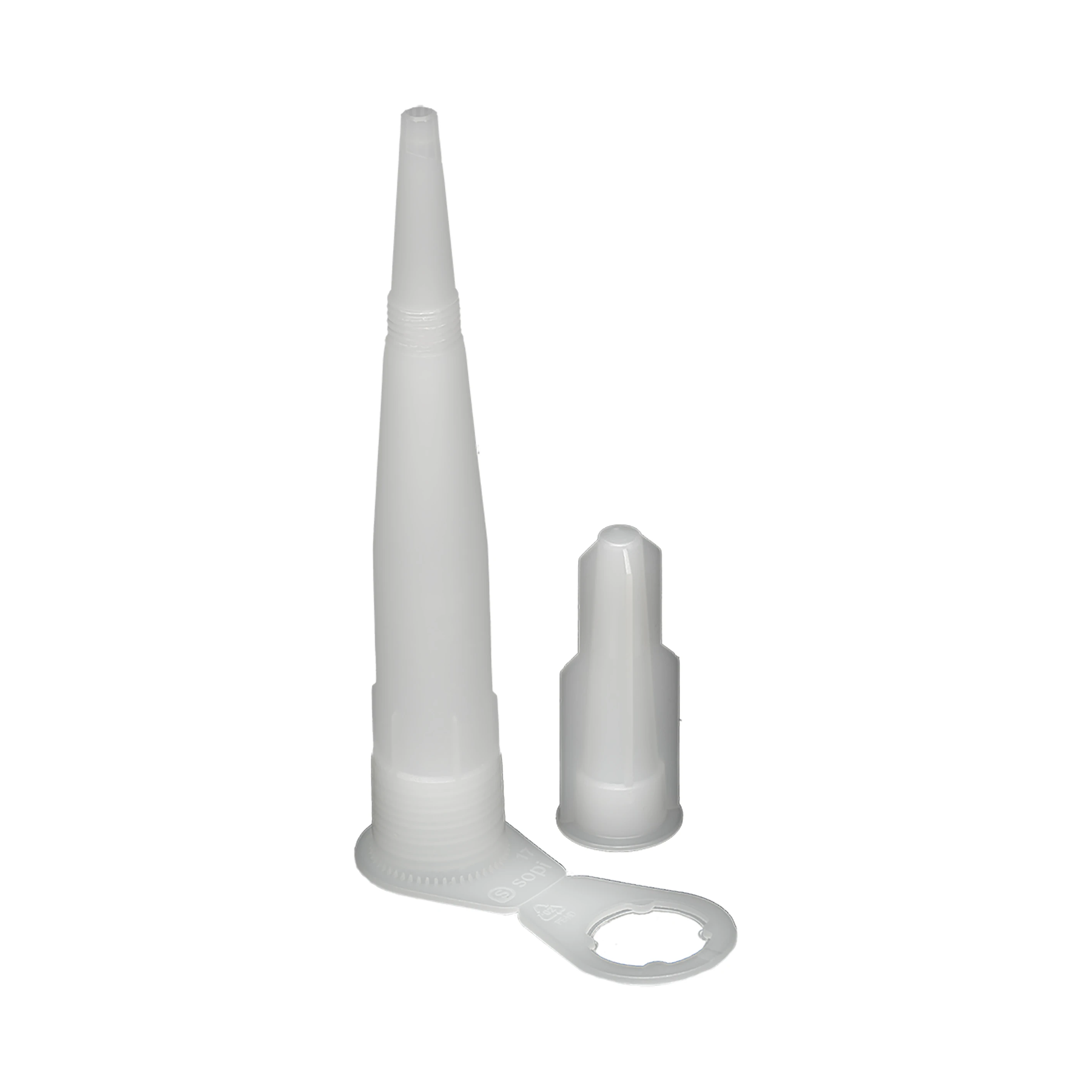
High-Quality Caulking Tip for Optimized Nozzle Performance
Caulk gun tips for top performance begin with properly optimized nozzles. High-performance nozzles enhance application by precisely controlling the speed, accuracy, and consistency of the sealant as it exits the system. With proper optimization, the tool becomes predictable, resulting in higher throughput, better-quality finishes, and safer operation. The nozzle must manage pressure, shape the flow, endure long duty cycles, and prevent defects. Volumetric accuracy, clean cut-off, durability, compatibility with automation, and consistent performance are all critical attributes that define its effectiveness.
Precision flow control drives throughput, as the nozzles determine the velocity profile, shear rate, and exit pressure. When designed correctly, the result is a stable bead that maintains its shape even at higher speeds.
Correctly Designed Dispensing Nozzles Improve Flow Control and Reduce Waste
A caulking tip that significantly impacts both the finished result and the application process is one with a material-specific design and properly engineered geometry. Proper engineering guarantees process consistency, efficiency, and predictability. Perfect control over flow reduces waste and ensures savings. Flow control begins at the exit point, determining how material leaves the equipment, whether it forms a stable bead or an uneven stream, and whether droplets land predictably or scatter.
Understanding that most caulk gun tips start with design is key. The right nozzle manages shear forces and pressure, ensuring the material exits smoothly, evenly, and precisely. Accuracy is critical for minimizing waste. Over-application and re-application are common causes of excess material use. Consistent volumes, stable flow, and repeatability reduce rework, which consumes labor and disrupts schedules, resulting in substantial savings when supported by properly engineered nozzles.
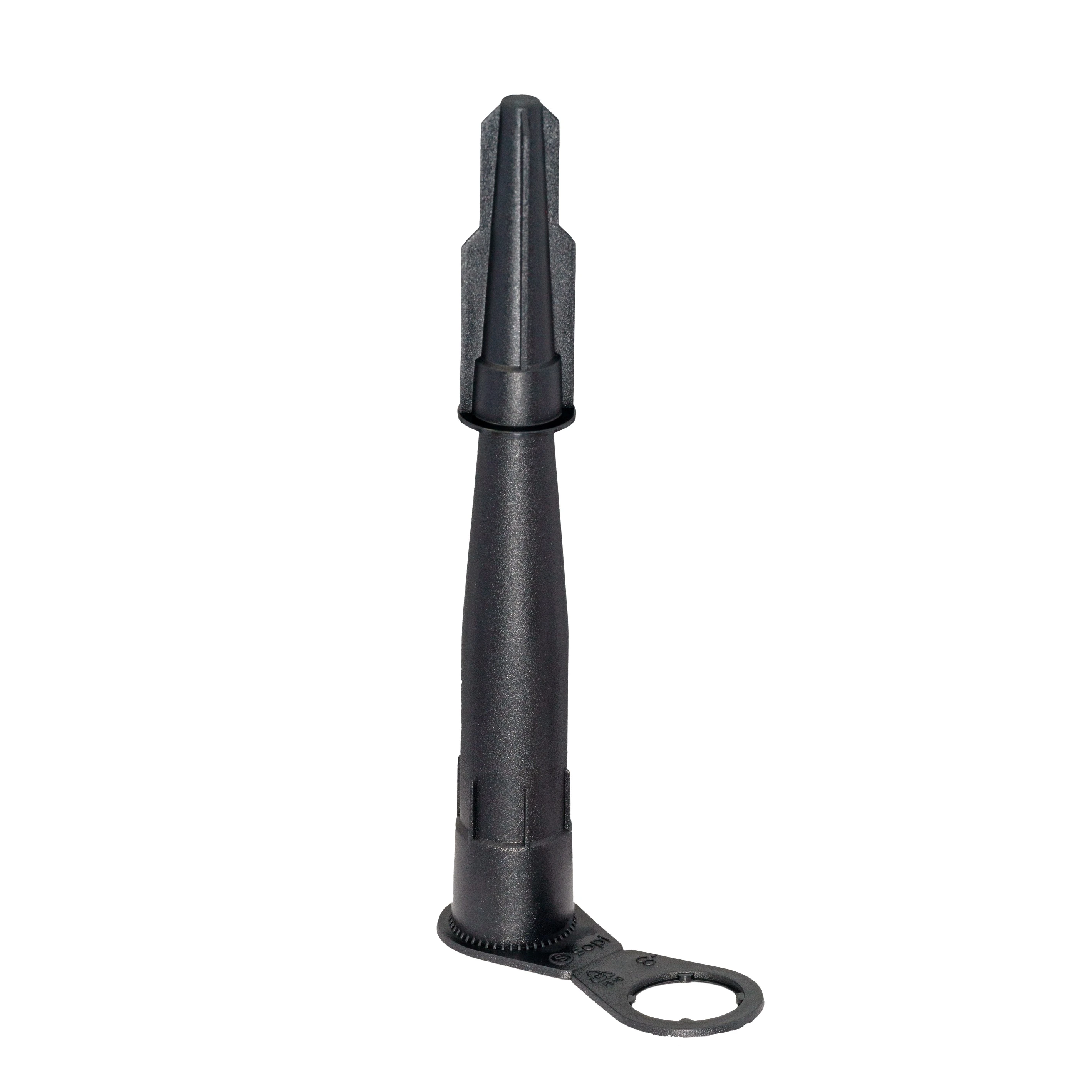
Optimized Caulking Tip for Consistent Application
Caulk gun tips are often designed to address problems rather than prevent them. Proper selection and use of components ensure smooth, consistent application. Even though caulking seems simple, results can fail quickly if preparation, material choice, or technique is off. Before starting, select the right solution for the job, as different fluids behave differently. Surface preparation is equally important; clean, dry, and stable surfaces allow the material to apply smoothly and adhere properly.
Choosing the correct dispensing nozzles is also critical, as they determine bead size, control, and flow rate. Maintaining a consistent angle during application minimizes air pockets, closes gaps, and reduces the need for corrections.
Selecting the Right Nozzle for Optimal Performance
Dispensing nozzles may seem like a minor detail in caulking, but they have a critical impact on the final result. Using the right components ensures the job is done efficiently, neatly, and professionally. When selecting equipment, consider the type of solvent or liquid you’re using, and remember that the tool’s size controls how much caulk is dispensed at a time.
The design of caulk gun tips directly affects the nozzle’s angle, reach, material, and durability. Tools with optimized features offer better maneuverability and flexibility, enabling efficient application with minimal adjustments.
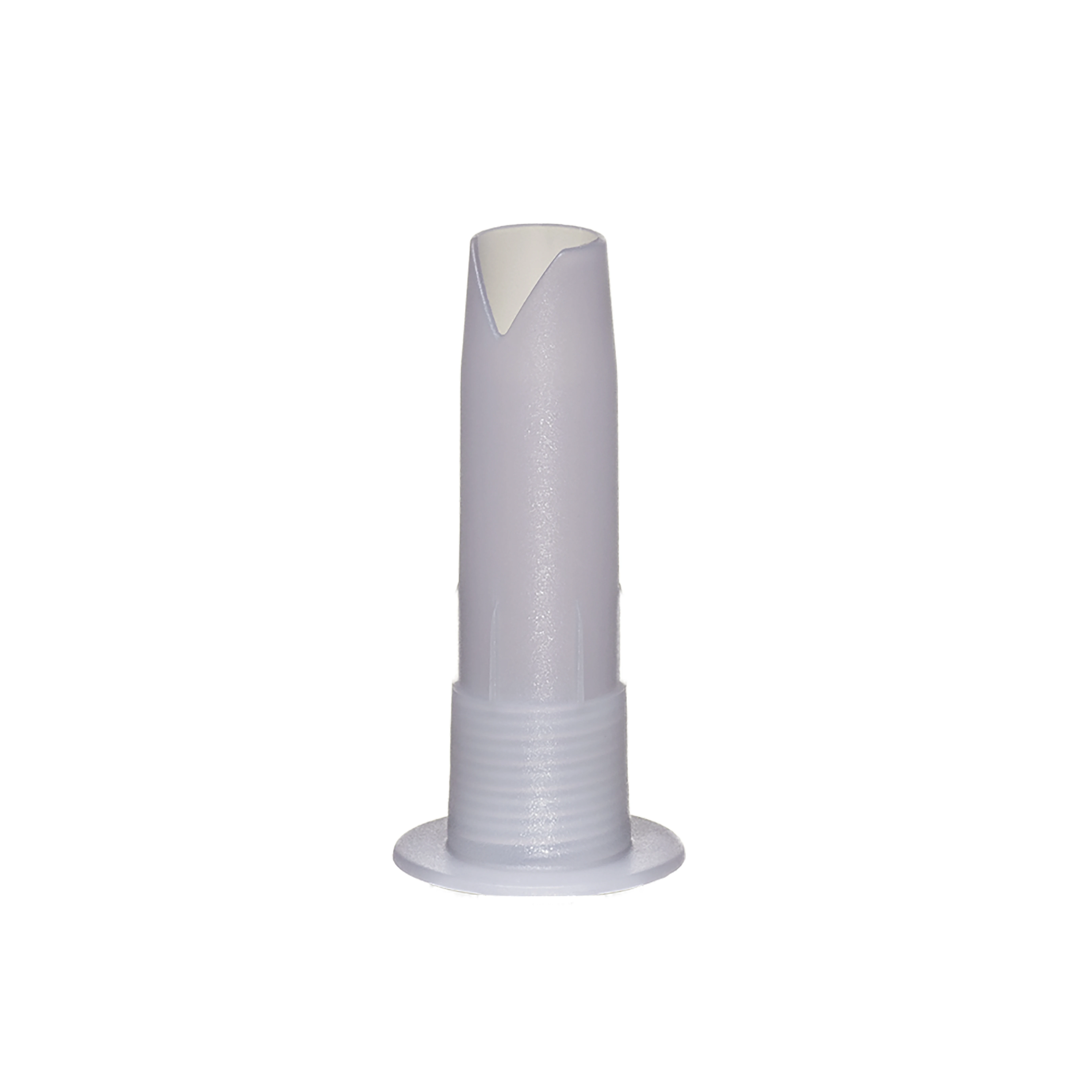
9 Mistakes When Installing Dispensing Nozzles and How to Avoid Them
Caulk gun tips designed for proper installation ensure the nozzle fits correctly and functions reliably. Replacing a nozzle may seem straightforward, but it can be more complex than it appears. Proper installation helps prevent tool damage and ensures optimal performance.
Several common issues can occur during installation; paying attention to these details helps maintain tool performance and prevents failures:
- Do not assume all nozzles are universal—they are designed for specific applications.
- Clean the system before installation.
- Check the device condition; replace any damaged components.
- Test the tool before use.
- Perform regular maintenance and care after installation.
- Avoid over-tightening or under-tightening the nozzle; correct technique prevents leaks.
- Ensure the tool is properly aligned.
- Use only compatible materials.
- Account for thermal expansion.
The right caulking tip enhances control, reduces cleanup, and produces smoother seals. Its diameter and shape directly affect bead size, flow rate, and sealant adhesion. Optimizing these parameters guarantees consistent application, minimizes material waste, and delivers professional-quality seals that perform reliably over time.